
Hear from Our Customers
You can’t see most mold growth. It hides behind walls, under floors, in crawl spaces—anywhere moisture gets trapped. By the time you smell it or see discoloration, the problem’s already spread.
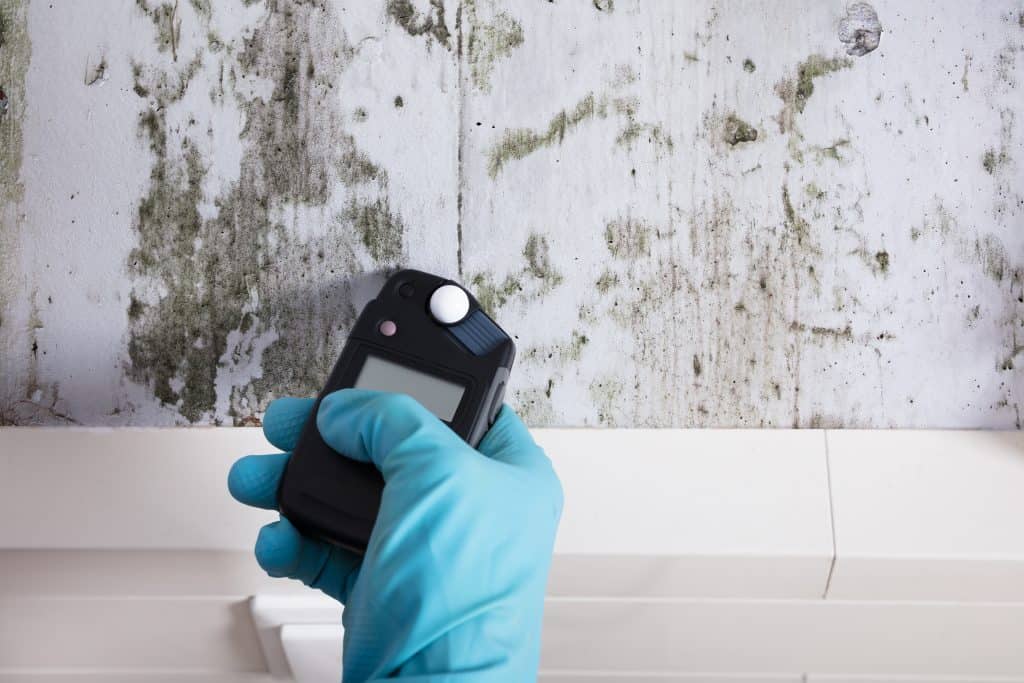
That’s where professional mold testing changes everything. We use advanced equipment to detect mold in places you’d never think to check. Thermal imaging finds moisture pockets. Air quality tests measure spore levels. Surface sampling identifies exactly what type of mold you’re dealing with.
Early detection means you’re looking at a few hundred dollars in remediation instead of tens of thousands in structural repairs. It means your kids aren’t breathing in allergens that trigger asthma attacks. It means you catch the problem before it cuts your home’s resale value by 20% or more.
Riegelsville’s climate doesn’t help. With 124 days of rain annually and humidity levels hitting 81% in winter months, your home is constantly fighting moisture. Older homes near the Delaware Canal face even bigger challenges—those beautiful stone foundations weren’t built with modern waterproofing.
We’ve been handling mold issues in Riegelsville and throughout Bucks County for years. We’ve tested hundreds of homes in this area—from newer construction to century-old properties along the canal.
Our certified inspectors know what to look for in Pennsylvania homes. We understand how your basement floods during spring thaw. We’ve seen what ice storms do to your roof integrity. We know the specific mold strains that thrive in this humid continental climate.
You’re not getting a national franchise that treats every home the same. You’re getting local expertise that accounts for Riegelsville’s unique challenges—the soil composition, the weather patterns, the building styles common to this area.
We start with a free visual inspection of your property. This means checking every area where mold typically grows—basements, attics, crawl spaces, bathrooms, around windows and doors. We’re looking for water stains, condensation, musty odors, or visible growth.
If we find signs of moisture or mold, we move to diagnostic testing. Air sampling measures the concentration of mold spores in your indoor air compared to outdoor levels. Surface testing collects samples from suspicious areas to identify the exact mold species. We use moisture meters and thermal cameras to map out wet spots you can’t see.
The samples go to an independent lab for analysis. You get a detailed report within a few days that tells you what types of mold are present, where they’re concentrated, and how severe the contamination is. We explain everything in plain language—no confusing jargon.
Then we give you options. Sometimes you need full remediation. Sometimes it’s a simple fix like improving ventilation or repairing a leak. We lay out the costs, the timeline, and what happens if you wait. The choice is yours.
Ready to get started?
Every mold testing service includes a comprehensive visual inspection of your entire property at no charge. We check all the common problem areas and some you probably haven’t considered.
You get air quality testing that measures spore counts in multiple rooms. This matters because mold in your basement affects the air you breathe upstairs. We test outdoor air too, so you know if your indoor levels are actually elevated or just normal for Riegelsville’s environment.
Surface sampling identifies specific mold types. This is important because black mold requires different treatment than common household mildews. The lab analysis tells us if you’re dealing with toxic varieties like Stachybotrys or just cosmetic issues.
We provide moisture mapping using thermal imaging. This shows you where water is accumulating inside walls or under floors—the root cause of your mold problem. Fix the moisture source and you prevent future growth.
Your detailed report includes photos, lab results, and clear recommendations. We work directly with your insurance company if you’re filing a claim. Most homeowner policies cover mold testing and remediation when it’s caused by a covered event like a burst pipe.
Most residential mold testing in Riegelsville runs between $300 and $600 depending on your home’s size and how many samples we need to collect. A small home with one suspected area costs less than a large property requiring multiple air and surface tests.
We offer free initial inspections. If we don’t find evidence of mold or moisture problems during the visual assessment, you don’t pay for testing you don’t need. We only recommend lab testing when there’s a real reason to investigate further.
Some situations warrant immediate testing even without visible signs—if you’re buying an older home near the canal, if family members have unexplained respiratory issues, if you’ve had recent water damage. In those cases, the few hundred dollars you spend on testing could save you from a $10,000+ surprise down the road.
The on-site inspection and sample collection typically takes 1-2 hours depending on your home’s size and how many areas we’re testing. We’re thorough but efficient—we’re not going to waste your entire day.
Lab analysis takes 2-4 business days in most cases. The samples go to an independent certified laboratory that specializes in mold identification. They’re looking at spore types, concentrations, and whether you’re dealing with toxic varieties.
You’ll have a complete written report within a week of our visit. We schedule a follow-up call to walk through the findings and answer your questions. If you need faster results due to health concerns or a real estate transaction, rush testing is available for an additional fee.
Home testing kits from hardware stores will tell you if mold is present—but that’s not particularly useful information. Every home has some mold spores. The question is whether you have elevated levels or toxic varieties that require professional attention.
Those kits can’t tell you where the mold is growing, how extensive the contamination is, or what’s causing the moisture problem. You’ll spend $40 on a kit that says “mold detected” and still need to call a professional to figure out what to do about it.
Professional mold testing gives you actionable information. We identify the mold species, measure concentration levels, locate the source, and map out the affected areas. You get a remediation plan, cost estimates, and documentation for insurance claims. That’s worth the difference in price.
In Riegelsville’s humid climate, we most commonly find Cladosporium, Penicillium, and Aspergillus. These grow on damp surfaces like bathroom tiles, window frames, and basement walls. They’re not usually toxic but can trigger allergies and respiratory issues.
Stachybotrys chartarum—the infamous black mold—shows up in homes with serious water damage or chronic moisture problems. It needs consistently wet conditions to grow, so you’ll typically find it after flooding, major leaks, or in areas with poor ventilation and high humidity.
Older homes near the Delaware Canal sometimes have Chaetomium, which grows on water-damaged drywall and wood. It starts out white and cotton-like, then turns gray or brown. It produces a musty odor and can cause structural damage if left untreated. The specific mold type matters because it determines the remediation approach and health risks.
Most Pennsylvania homeowners policies cover mold remediation if the mold resulted from a covered peril—like a burst pipe, storm damage, or appliance malfunction. They typically won’t cover mold from long-term neglect or maintenance issues like a slow roof leak you ignored.
The key is documentation. Professional mold testing provides the evidence your insurance company needs to process a claim. Our detailed reports show what caused the mold, how extensive the damage is, and what remediation is necessary.
We work directly with insurance adjusters and handle the paperwork. We’ve dealt with every major carrier operating in Bucks County. Most claims get approved when there’s clear evidence of a sudden water event that caused the mold growth. Review your specific policy or call your agent to understand your coverage limits and deductibles.
Mold starts growing within 24-48 hours after materials get wet. If you’ve had a flood, burst pipe, or major leak, you should call for testing within the first few days—even if you don’t see visible mold yet.
Early testing catches growth before it spreads throughout your HVAC system or into wall cavities where remediation gets expensive. It also establishes a baseline for insurance purposes. If you wait weeks and then discover extensive mold, insurers sometimes question whether it resulted from the recent incident or a pre-existing condition.
That said, testing is valuable even months or years after water damage. If you’re noticing musty smells, seeing discoloration, or experiencing unexplained health symptoms, don’t wait. Mold doesn’t improve with time. The sooner you identify and address it, the less damage it causes to your home and health.
Other Services we provide in Riegelsville